


Driving growth through partnerships









These infections are common, and anyone can catch one. Yet certain groups of people are more at risk of catching infections. Children are at a high risk since they are often with other children who may be carrying a virus.


Children may also wash their hands less frequently than adults. Plus, they’re more likely to put their fingers in their eyes, nose and mouth, allowing the germs to spread easily. People who have heart or lung problems are also at higher risk of getting an upper respiratory infection. Those who have weak immune systems (due to another disease) may get more severe infections.

Keep you and your family healthy. Take steps to prevent upper respiratory infections:
Starting from

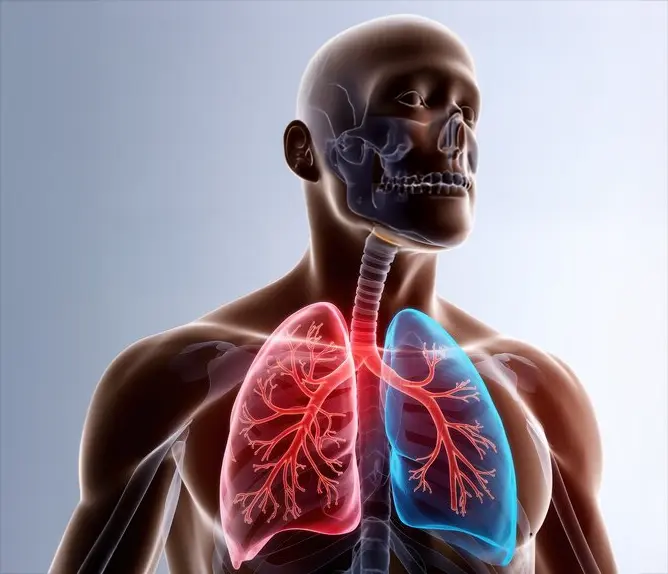
An acute upper respiratory infection is a contagious infection affecting the nose, throat, pharynx, and bronchi. Most upper respiratory infections are caused by viruses and are self-limiting.
Symptoms can include cough, production of mucous, fatigue, shortness of breath, wheezing, low fever and chills, and chest discomfort.
Prevention steps include washing hands, sneezing and coughing into your arm or a tissue, avoiding contact with sick people, drinking plenty of fluids, getting enough sleep, stopping smoking, and keeping up with routine checkups and immunizations.
You should call your healthcare provider if symptoms last longer than two weeks, if you have a high fever, or if you have any other concern.


The CareMD, a revolutionizing healthcare solution, provides virtual clinic facility to the doctors & remote consultation services to the patients


Scan this QR code with your smart phone.



© 2026 The CareMD, LLC. All rights reserved.
The CareMD is a registered Trademark of The CareMD, LLC.